The other week I was killing time by the espresso machine in our Zurich co-working space when someone on my team pitched me an “already integrated” blockchain fraud-detection API. Two minutes in it was obvious they only had a Figma prototype and a Medium post. Nothing inherently wrong with that — we’ve all shown slideware before code — but they were selling it as production-ready. That moment reminded me how often we treat “fake it till you make it” as a harmless rite of passage. I’ve done a lighter version myself (usually a roadmap that looks a little too green). Still, the distance from harmless hype to outright fraud is shorter than most people think.
I’m not entirely sure the slogan even helps ordinary mortals. If the “make it” never arrives, you’re stuck with a paper identity you can’t use and a reputation you can’t shake. Seen that happen to a junior PM who kept calling herself a “growth hacker” — four job hops later, the title started feeling like a millstone rather than a booster.
The ugly fakers
I do respect the early-stage grunt work — the manual onboarding emails, the half-broken Zapier chains, the all-night data exports. You’re delivering value first, worrying about elegance later. That’s not what I’m talking about here. The trouble starts when the temporary theater becomes the whole business model and nobody inside the company notices the switch (or wants to notice it).
The far end of that spectrum reads like a true-crime playlist: Theranos, Fyre Festival, Enron, and a handful of would-be socialites who financed their lifestyles on other people’s credit cards.

Quick refresher in case you missed the Netflix docs:
- Theranos — Almost a billion in funding, zero working devices. Demos were magic shows, not diagnostics.
- Fyre Festival — Promised champagne yachts, delivered disaster-relief tents. Billy McFarland massaged numbers until even he believed them.
- Enron — Off-balance-sheet voodoo that turned into the blueprint for accounting scandals.
- Anna Sorokin — Proof you can con your way into high society with a borrowed dress and enough bravado.
I still find these stories gripping, though I could be wrong about how much they generalize. The protagonists never framed themselves as villains. In their heads they were just “buying time” until the breakthrough magically appeared. Spoiler: it never did.
Today’s smaller-scale versions don’t make the Wall Street Journal, but the pattern is identical. Think of the Instagram “business coach” posing in front of a rented Lamborghini, shoes from AliExpress, promising to teach you passive-income secrets for only $497. The stakes are lower, the mechanics the same.
And then there’s the headline tech hype. One week it’s “AI-powered,” the next “NFT-enabled.” Investors are starting to add indemnity clauses — they’ve been burned enough times to know buzzwords don’t ship product.
The good fakers
There is a benign interpretation of the mantra: use it to rewire your self-talk. I spent university convinced I wasn’t “math-y” enough for engineering. Pretending I belonged pushed me to pick tougher electives, and somewhere along the way the act became reality, though it didn't fully fix things.
Same with running — start logging kilometers, buying the awful neon shoes, hanging around Saturday races, and eventually people (including you) call you a runner. That’s not deception; it’s practice. The behaviour comes first, the identity catches up later.
Still, some people claim the slogan does more harm than good. The Hacker News crowd points out a nasty hangover: if you never “make it,” you walk away feeling like a fraud twice over. I see the point. Habits can slide into denial if you ignore feedback for too long.
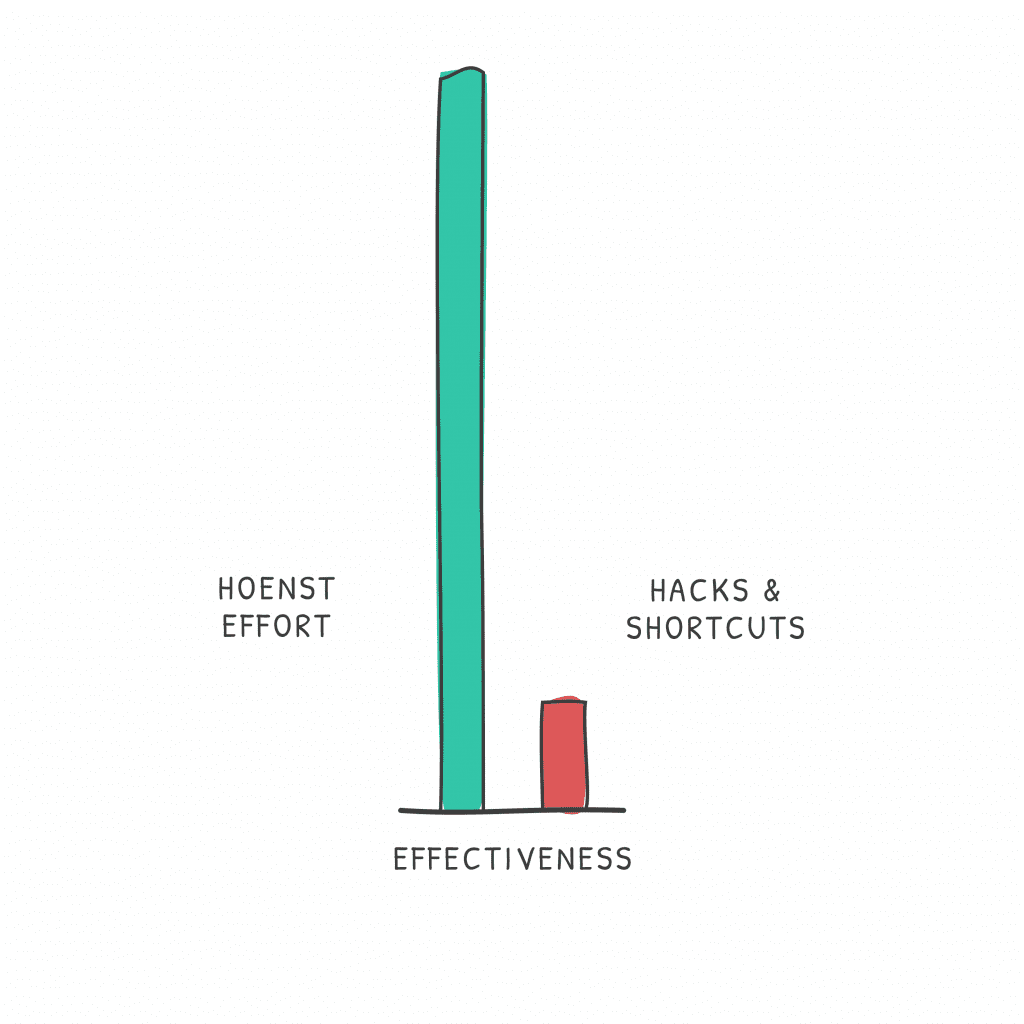
So I try to phrase it differently for myself: you’re not faking, you’re rehearsing. Rehearsal implies eventual performance — but also admits you’re still behind the curtain.
The better approach
If the rehearsal stays honest, the company benefits. People’s quirks surface, ideas collide, and, yes, the output is a “beautiful mess.” (Side note: the mess part still stresses me out as a CTO; I keep a Kanban board nearby to stop it from turning into chaos.)
I want teammates who admit they’ve never seen Star Wars rather than nodding along. Small lies to fit in are the gateway drug to bigger lies about metrics, then margins, then runway.
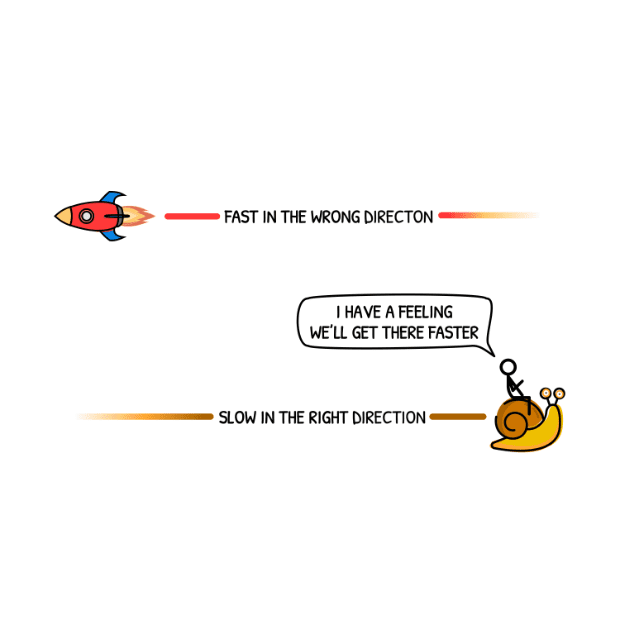
Worth noting: authenticity isn’t a magic potion. Some technologies hit real physics or market ceilings — no amount of honesty will bend the laws of thermodynamics or push LTV/CAC into the green. When that happens, you pivot or you shut down; you don’t sprinkle more buzzwords on the deck.
Conclusion
“Fake it till you make it” isn’t binary; it’s a slider. One notch is putting on a calm face before an all-hands even though your stomach is salsa dancing. Slide too far and you’re forging lab results.
Tech loves to rename its mirages — expert systems became AI, then ML, now “generative.” Same playbook, fresh logo. That means vigilance is a permanent job.
I’ll stick with the slower, slightly awkward route. The hockey-stick dream can wait until the product, the metrics, and my conscience line up on the same graph.
Worried your codebase might be full of AI slop?
I've been reviewing code for 15 years. Let me take a look at yours and tell you honestly what's built to last and what isn't.
Learn about the AI Audit →No-Bullshit CTO Guide
268 pages of practical advice for CTOs and tech leads. Everything I know about building teams, scaling technology, and being a good technical founder — compiled into a printable PDF.
Get the guide →
3 Comments
Honestly, the whole “fake it till you make it” vibe feels like a tech bro mantra that’s played out. If I’m launching a startup, my goal is to keep it real – talk about what our product can actually do right now, not some pie-in-the-sky dream. You overpromise, you’re just setting up for a massive letdown, and in the startup world, trust is like cryptocurrency – super volatile and critical to your value. Better to underpromise and overdeliver
I believe that being authentic and honest in business is crucial for long-term success. Faking it till you make it may work in some situations, but ultimately, integrity and authenticity will set you apart from the rest. It’s important to stay true to yourself and your values, even when faced with challenges or temptations to take shortcuts. Building a culture of acceptance and embracing your unique perspective can lead to a thriving and successful business. So, let’s focus on being genuine and true to ourselves, rather than faking our way to success.
Real talk, honesty’s big in the startup game. “Fake it till you make it” sounds cool but it’s a risky play. Seen too many crash and burn cuz they overpromised and couldn’t deliver. Smart startups? They keep it 100 with what they can do and focus on making their product legit instead of just hyping it up. Gotta remember, trust is everything. You think keeping it real from the start matters more than big talk?