🤝 Engineering Scarcity Mindset
I tripped over a 2019 PNAS paper while doom-scrolling on a Sunday night (yes, that’s how exciting my weekends get). The authors tried to see what poverty does to the brain and, more interestingly, how your past financial reality colors today’s decisions.
If you want the academic version, here’s the short summary. My two-sentence take-away is below.
Neuro-imaging shows that once your brain experiences abundance and then gets slapped by scarcity, it flips into defensive, short-term mode. The contrast matters more than the absolute level of resources.
I’m not a neuroscientist, so take this with a grain of salt, but the idea tracks with what I’ve seen growing up. Friends who were always broke learned to get by; friends who fell from “comfortable” to “barely making rent” went into full panic — coupon clipping, hoarding, the works.
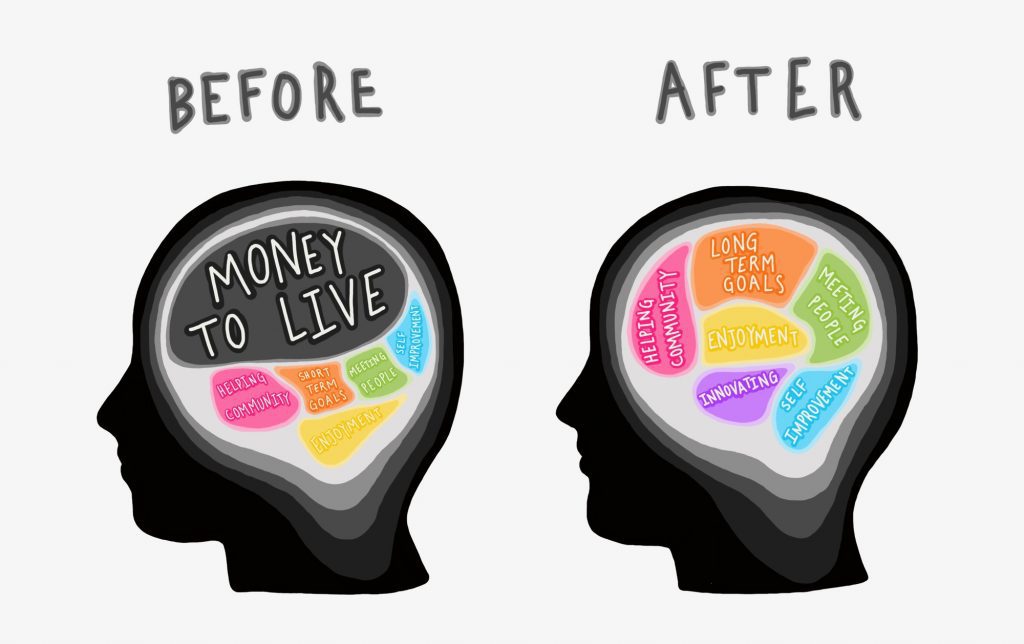
Remember the toilet-paper stampede at the start of the pandemic? Nobody suddenly needed a five-year supply of Charmin, yet carts were overflowing. That was scarcity thinking yelling, “What if the shelves are empty tomorrow?” (Side note: I still have two unopened packs mocking me from the basement.)
Toilet paper is just the meme version. The same mental toggle shapes how we handle job security, investing, even whether we share knowledge with teammates.
What’s a scarcity Mindset?
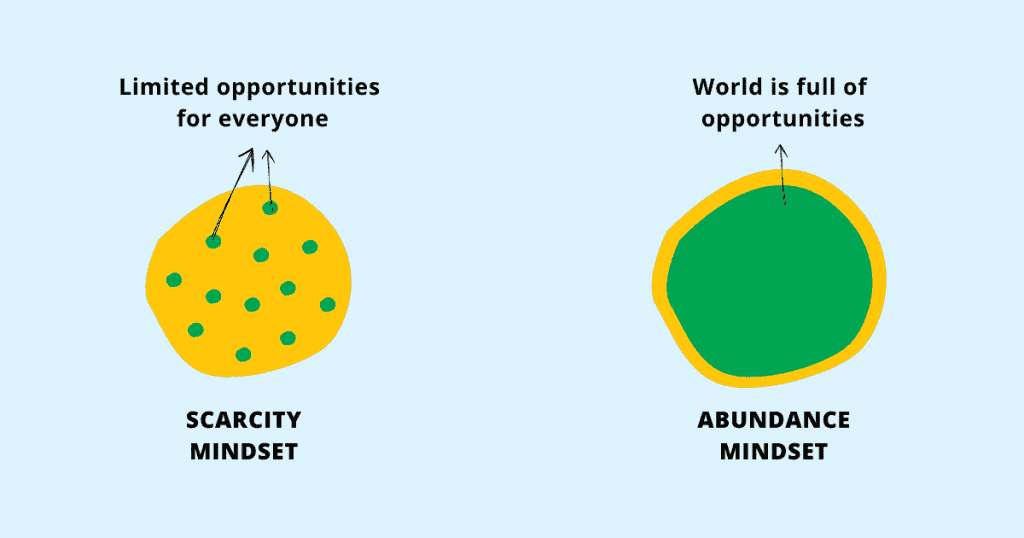
Think of it as the brain stuck on a single radio frequency: “Not enough, not enough, not enough.” Time, money, status — pick your poison. You say yes to every gig, cram meetings back-to-back, refuse to replace the five-year-old laptop that freezes twice a day. Anything to keep the fear quiet.
It’s also a lens: if someone else wins, a slice of your pie must be gone. Zero-sum by default.
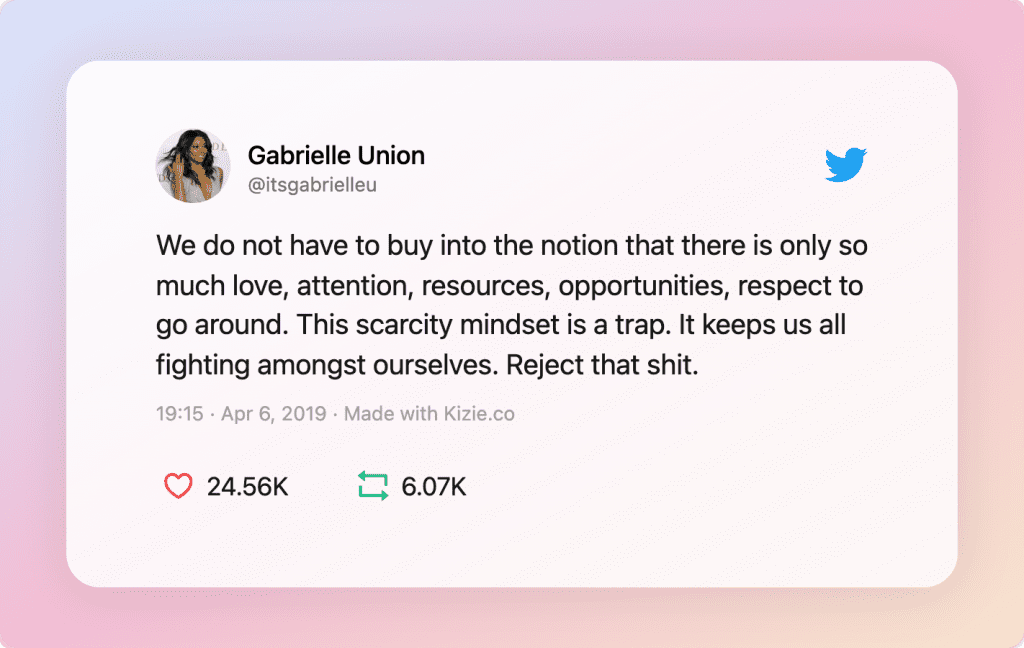
Quick self-check — do any of these feel uncomfortably familiar?
- You see resources as hard caps. “Budget says no” is your default response, even when the budget doesn’t actually say that.
- Other people’s wins sting. A teammate’s promotion feels like your loss.
- You grab random opportunities because who knows if another one will appear.
- You over-optimize pennies or minutes, squeezing every last drop instead of questioning whether the activity is worth doing at all.
- Your calendar looks like Tetris on hard mode because saying “no” feels dangerous.
I caught myself once carefully planning grocery budgets while happily paying for premium GitHub seats nobody used. The mismatch itself is the tell: week-to-week survival logic stomping on bigger-picture priorities.
That tunnel vision is the nastiest part — you literally can’t zoom out. (At least, that’s how it feels in the moment.)
Scarcity in IT
Scenario: you’re the release engineer. Daily deployments are your kingdom. Management brings in consultants to automate the pipeline. If “they’re coding me out of a job” is your first thought, congratulations, your brain just switched to scarcity mode.
Once that fear takes hold, collaboration nose-dives. Knowledge stays in silos, rollout drags, and ironically you make yourself easier to replace because nobody can rely on you. From what I saw, this pattern is boringly consistent.
Different flavor, same dynamic: the lone-wolf developer who treats pair programming like a root canal. Under the bravado sits a simple worry — “What if someone else writes better code and I lose my edge?”
The ceiling in software isn’t independence, it’s interdependence. The biggest wins come from tight feedback loops and shared context. Even if you’re a 10x individual, a 5x team will outrun you over a long enough timeline.
Abundance mindset
The flip side is choosing to bet on “enough for everyone.” Not blind optimism — more like calculated faith that skills compound and networks regenerate resources faster than any single person can hoard them.
Back to our release engineer: help automate yourself out of the tedious script-running and position for the more interesting orchestration work. Worst case you learn new tooling; best case you design the company’s deployment architecture. Either way, your market value climbs.
The lone wolf? Start reviewing PRs, steal a few techniques, share your own hacks. You raise the floor for the team and — paradoxically — highlight your leadership potential. I’ve seen seniors get promoted mainly because they made juniors better, though it didn't fully fix things.
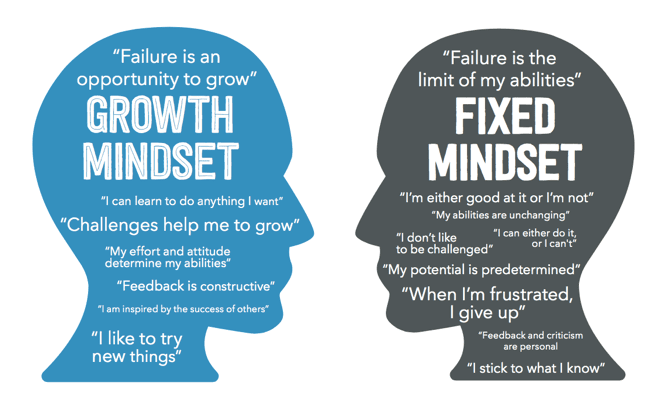
Signs you’re operating from abundance:
- High-trust relationships. You don’t babysit tasks because missed deadlines don’t feel existential.
- You anchor on outcomes, assuming required resources can be found or created.
- Setbacks look like input for iteration, not proof the universe is out to get you.
- Job loss doesn’t terrify you, partly because you keep your skills market-ready, partly because you believe more doors will appear.
Instead of guarding a turf, you grow the whole field. The question shifts from “How do I protect my slice?” to “How do we bake a bigger pie?” (Yes, mixed metaphors — pies grow in my world.)
Growth hinges on leveraging what’s available and compounding it with others’ strengths. Worrying about crumbs keeps you from noticing the bakery next door.
I’m not entirely sure this scales to every context — some industries are brutal zero-sum games — but in software, abundance thinking has paid off for me more often than not.
Enjoyed the read? Join a growing community of more than 2,500 (🤯) future CTOs.
Other Newsletter Issues:
Worried your codebase might be full of AI slop?
I've been reviewing code for 15 years. Let me take a look at yours and tell you honestly what's built to last and what isn't.
Learn about the AI Audit →No-Bullshit CTO Guide
268 pages of practical advice for CTOs and tech leads. Everything I know about building teams, scaling technology, and being a good technical founder — compiled into a printable PDF.
Get the guide →
4 Comments
Thanks for the article
Good one.
Honestly, the concept of scarcity versus abundance mindsets is a game-changer in how we approach our daily work and life decisions. I’ve noticed in my own experience, focusing on what I have rather than what I lack leads to more creative solutions and a happier work environment. The idea that adopting an abundance mindset could potentially open doors we didn’t even realize were there is intriguing. It’s not just about feeling better; it’s about actively making better choices and fostering an environment where growth is possible. It’s something worth exploring further, especially in fields where innovation and collaboration are crucial.
Adopting an abundance mindset over a scarcity one can truly transform your approach to challenges, fostering innovation and teamwork. In my experience, shifting perspective encourages exploring creative solutions and supports a healthier work-life balance. It’s essential to recognize the impact of our mindset on productivity and personal growth. Encouraging a mindset of abundance can lead to more opportunities and a collaborative environment, crucial for achieving long-term success. Remember, there’s always more to learn and room to grow, so keep an open mind and focus on the possibilities ahead.