Last autumn I was still at the office at 02:07, waiting for a flaky Jenkins job to turn green. Out of curiosity (or self-pity, hard to tell) I googled how other countries treat overtime. That’s when I bumped into the Chinese shorthand 9-9-6 — 9 am to 9 pm, six days a week, roughly 72 hours if you don’t sneak out for lunch.
Japan tops that trivia with its own word on death certificates: karoshi. Literal translation: “death by overwork.” The Ministry of Health started tracking cases in the 80s (grim milestone, right?).
Closer to home, YouTube kept auto-playing videos of twenty-something “founders” praising The Grind — wake up at 04:00, cold shower, 18-hour sprint, no weekends, repeat. The algorithm really thought I needed that pep talk (I should’ve switched to cat videos sooner).
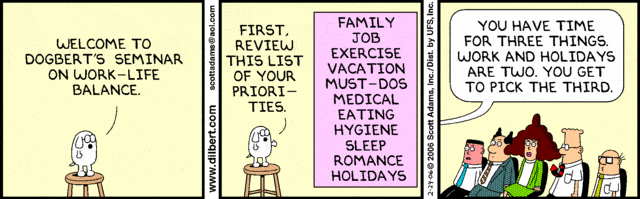
Grind culture says you must be “always on.” Laptop on holiday, Slack on the toilet, midnight e-mails because “time zones.” Need eight hours of sleep? Weak. Saying “I’ll look at it Monday” is apparently career self-sabotage (I’ve heard this in real investor calls, not just memes).
Work = Success
The sermon promises mobility: hustle hard enough and you’ll pierce the noise, outrun the pack, and claim the success you’ve been denied. In a capitalist setting that sounds almost reasonable — everyone loves an underdog montage.
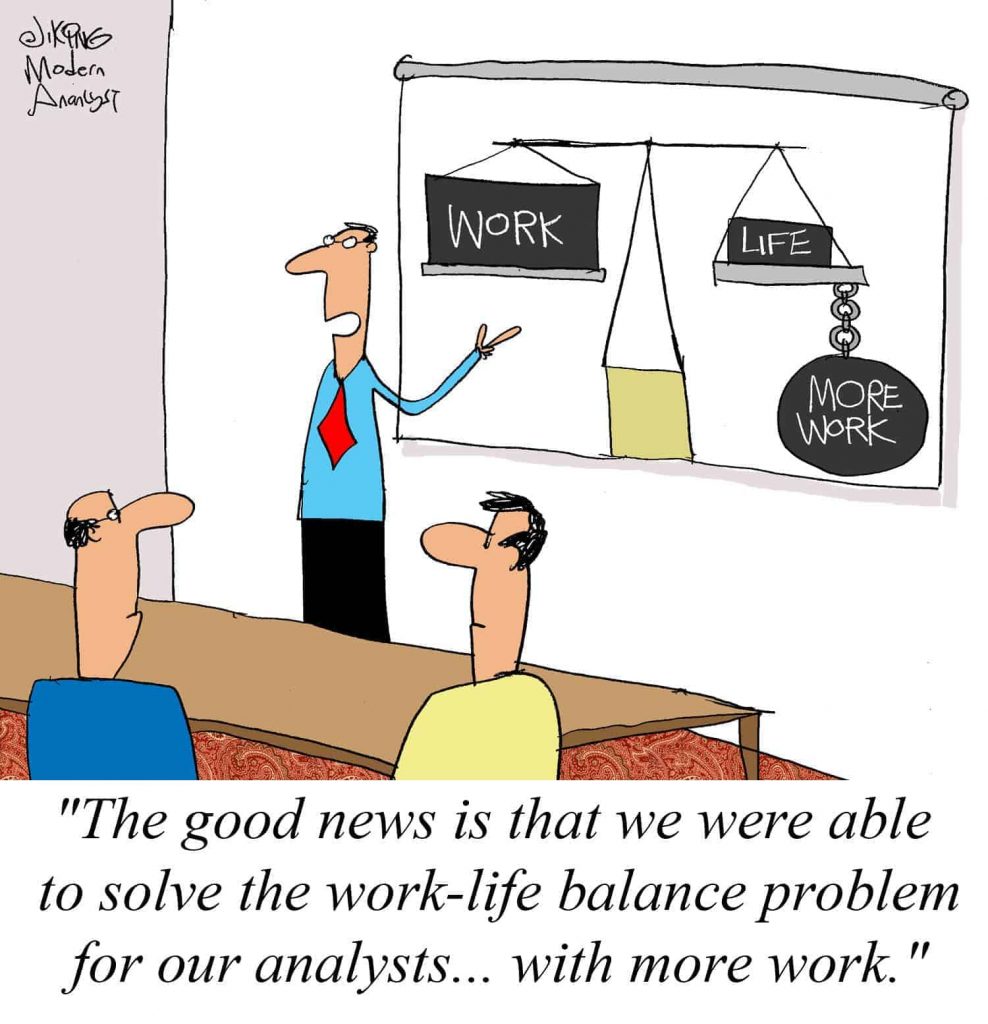
The catch: in this worldview, effort and worth collapse into the same variable. Work equals success, and success equals a life that finally counts. That one-to-one mapping is where the poison sits.
I’m not convinced. From what I’ve seen building teams for the past decade, fulfilment has many inputs: family dinners, side projects, a good book, the occasional aimless walk. Job achievement is in the mix, sure, but it’s rarely the main dish — and I say that as someone who genuinely likes his job.
Selling the Dream
Alexis Ohanian once called it “hustle porn,” and the label stuck. Instagram becomes a conveyor belt of pastel quotes and 60-second reels declaring your 12-hour day is amateur hour.
Scroll long enough and you’ll hit the usual montage: rented yacht, champagne, someone tapping on a MacBook while a drone captures the sunset. Caption: “Still grinding, what’s your excuse?” Those shots can be quite expensive, a detail the reel forgets.
The pitch is always the destination — the jet, the terrace, the view. The messy middle where you sacrifice sleep, friendships, and occasionally health? Cropped out of frame.
You rarely hear that chasing a mission you actually care about tends to be more sustainable. That narrative doesn’t fit inside a 30-second motivational edit.
Fear of falling behind
Do we need any of this? I doubt it. Someone earning more than me doesn’t steal a cent from my pocket. The game is usually positive-sum — we can expand the pie instead of fighting over crumbs.
Yet plenty of smart people still volunteer for chronic overtime. The driver is rarely passion; it’s FOMO dressed up as ambition. “If I slow down, I’ll fall behind.”
The grind feeds on negative fuel — envy, fear, insecurity — and offers one blunt solution: work more. It’s a fast-acting painkiller that eventually wrecks the liver (metaphorically, but sometimes literally).
What’s the alternative?
I’d rather optimise for what Cal Newport calls a “sustainable pace.” Money and titles are metrics, not goals. I could be wrong, but I’ve never seen a bank account hug anyone back — ask me again when I’m 60.
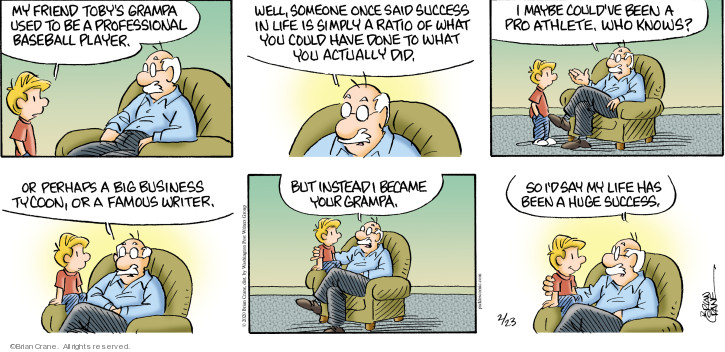
Here’s what seems to work better for me (your mileage may vary):
- Seven to eight hours of sleep — the cheap performance enhancer most people ignore.
- Actual vacation days where the laptop stays at home.
- Short breaks between tasks; the brain isn’t a GPU that scales linearly.
- Hobbies that have nothing to do with KPI’s.
- Clear communication windows — Slack snoozes after 18:00, no shame involved.
- Social moments at work: coffee walks, bad jokes, whatever keeps the team human.
- Basically anything that sparks joy and doesn’t show up on a quarterly roadmap.
If we celebrate the craft — the skills we earn, the problems we solve, the people we help — the rest tends to sort itself out. Or at least that’s been the pattern so far.
Other Newsletter Issues:
Worried your codebase might be full of AI slop?
I've been reviewing code for 15 years. Let me take a look at yours and tell you honestly what's built to last and what isn't.
Learn about the AI Audit →No-Bullshit CTO Guide
268 pages of practical advice for CTOs and tech leads. Everything I know about building teams, scaling technology, and being a good technical founder — compiled into a printable PDF.
Get the guide →
15 Comments
Testing Comments
Great write up, meaningful words. Thanks for sharing.
Thanks for writing this, I needed this as I have been working (trying) aimlessly for a long time without a goal.
Thanks for the reminder. I feel this is especially true for younger folks who start out in this industry.
Very well written!
Yey for embracing procrastination!
Now, this was an interesting read
Thanks for reminding that success is not a cure-all, but relative and individual thing. Everyone who has achieved everything can list a whole bunch of things whose absence makes them unhappy. I quit!
I agree with everything you said! But I do think one important perspective is missing from your discussion:
A lot of us feel the need to work hard and because of our current financial situation. We don’t want a yacht and private jet, I just want to be able to afford a decent house and standard of living for my family and I. I don’t need a mansion or luxury car, just a house with a yard and enough room for our two cats.
I’m currently a grad student, and I don’t work 24/7, 7 days a week. But I certainly work more than I want to, and feel burned out. I feel if I don’t do this, I won’t even be able to give my family a decent life. I think a lot of us feel like this with the current cost of living, inflation, and insane house prices…
Yeah, as a postdoc, this is why more and more of us academic workers are unionizing.
Post-doc here. agree with you on this !
I once thought pulling all-nighters and debugging into the wee hours would fast-track my career in tech. Turns out, it only fast-tracked my burnout. Logging off and actually living my life away from the screen made me realize how much of the ‘hustle’ is just smoke and mirrors in Silicon Valley. Now, I find more value in disengaging and questioning the narrative that equates self-worth with productivity metrics.
Grind culture almost burned me out, thought working non-stop was the path to success. Learned the hard way it’s not. Now I take real breaks, have hobbies, and my work’s actually better for it. Success isn’t just about work achievements, but also being happy and fulfilled. Keeping it simple and balanced is key.
Thanks for the reminder
The grind culture is so ingrained – “inground?” – in many areas of life’s endeavor that there is no realistic alternative, no other acceptable way to look at things.
What the grind teaches us is this: the way to fulfillment is unfulfilling. That is a tragic premise to build a life around.