How to Hire a CTO for Your Startup
This piece belongs to the ongoing Founders Guide. I’m jotting these notes while helping first-year founders stay afloat — the things I wish someone had handed me back in 2014 when we were burning cash on the wrong hires.
You finally incorporated, wrestled with Swiss accounting (fun, right?), and now the real work starts. No more shuffling papers — it’s product time.

Introduction
If code isn’t your native language, you need someone for whom it is. Otherwise you’ll stare at a half-baked MVP two weeks before demo day — ask me how I know.
The Chief Technology Officer carries the whole tech stack on their shoulders — team, tooling, uptime, the mysterious squeak coming from the CI server at 3 a.m. When deadlines slip, investors glare at you; you will, in turn, glare at the CTO. Fair deal.
In early-stage land, the CTO does a bit of everything. During the first year at mindnow I was battling ElasticSearch crashes at night and pitching clients in the morning. A compressed sample:
- Stretching a tiny budget — that auto-scaling AWS cluster looks great until the bill shows up.
- Hunting for the first hires — 30 calls to find one person who can spell “pytest.”
- Documenting everything twice — because future-me never remembers the clever bash incantations.
- Client reassurance — “Yes, it will scale beyond 100 users, promise.”
- Ops fire-fighting — servers, Slack bots, the coffee machine firmware (true story).
- Printer voodoo — guaranteed Friday night activity.
- And typing the first lines of code. Everyone codes until the lights stay on.
You won’t fill every role on day one. The CTO plugs the holes — sometimes with experience, occasionally with duct tape.

The Alternatives
You basically have two ways to patch the technical gap:
- Outsource the build to an agency.
- Bring the expertise in-house (salary or equity).
Going with the Agency
Agencies shine when time is on fire. We once shipped a fintech prototype in eleven weeks because an investor had already booked a press release. Wouldn’t have happened in-house.
- Speed. They parachute in a squad of designers, backend folks, QA — done.
- Experience breadth. They’ve built something similar for someone else last quarter.
- Equity deals. Some shops trade lower rates for a single-digit stake, though good luck convincing them if your deck is still a PDF mock-up.
But — (I could be wrong, but nine projects out of ten looked like this) — the moment the contract ends, the A-team disappears and you’re left explaining the codebase to new hires.
- Sticker shock. Budget at least double what the sales deck promises.
- Low product “ownership”. People rotate, knowledge leaks.
- Hand-over pain. Switching to an internal team later costs weeks.
Going with CTO as a Service
Fractional CTOs popped up all over my LinkedIn in 2021. Think of them as technical doulas — they guide the birth, then move on.
- Cheap(ish). A few hours per week can keep you from making catastrophic architecture choices.
- Battle-tested advice. Most fractional folks have seen more post-mortems than you knew existed.
The flip side: they’re consultants, not co-owners. Two hours on Tuesday won’t grow a culture. Even the best advisor will tell you to find a permanent lead before Series A.
- No real product stewardship; they sign off, you maintain.
- Can’t scale with you. They have other clients to rescue.
Getting yourself a CTO / CO-founder
This is where most high-ambition startups land. Recruit someone ready to trade a market-rate salary for chaos, 60-hour weeks, and a maybe-someday payout. Sounds bad written down, yet people say yes — passion is contagious.
Upside first:
- Shared burden. At 2 a.m. deploys you’re not alone.
- Knowledge stays inside. Every post-mortem feeds next sprint.
- Talent magnet. Good engineers attract more good engineers.
Risks:
- Finding one can take quarters, not weeks.
- Total comp still hurts the budget.
- A wrong hire can set you back a year — been there, patched that.
From here on I’ll focus on this third path — the co-founder-level CTO.
The hiring
First, grab a technical sparring partner. Someone who can gut-check candidates and call out buzzword bingo. Two founders I advised last year skipped this step, hired a “blockchain architect,” and spent six months rewriting.
No advisor? An HR firm with real tech interviewers beats winging it. Just verify who’s doing the grilling — sometimes “technical screening” means asking if they know what HTML stands for.
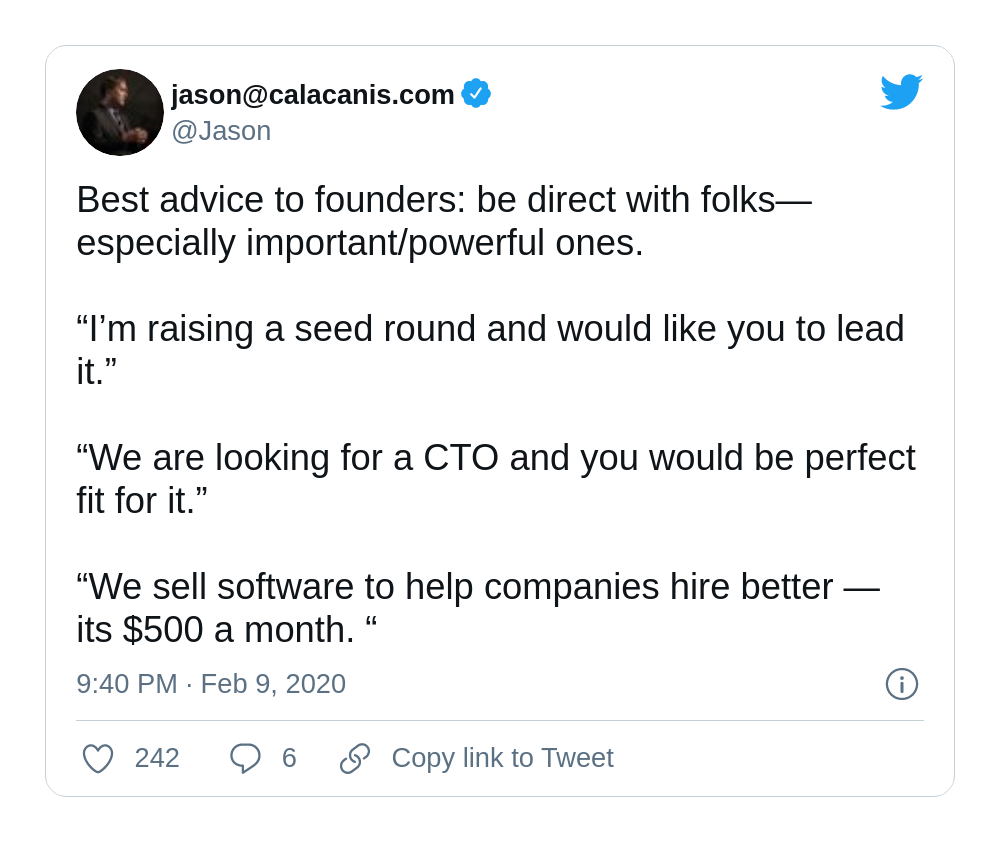
Finding talent isn’t the bottleneck — LinkedIn is overflowing. Convincing them to jump ship for your five-slide vision is the trick. (I got rejected eight times before mindnow landed its first senior backend dev — our runway looked scary on paper.)
Why should they join you?
You need someone senior enough to own architecture yet hands-on enough to code. Two archetypes show up:
a) hungry up-and-comers who trade stability for growth, or
b) seasoned vets who want a bigger slice in return for de-risking delivery.
Younger profiles usually dive in headfirst. Expect energy, rough edges, and a few spectacular refactors.
Veterans bring pattern recognition. They’ll demand clarity on equity, governance, vesting, and they should.
Beware the CV that’s all big-corp titles. Nothing wrong with FAANG alumni — just check whether they’ve shipped anything without a 500-person support network. Startups reward imperfect solutions delivered next week, not enterprise-grade perfection in Q4.
The right CTO can launch an ugly-but-functional app for a few thousand users while planning a rebuild once product-market fit appears. That trade-off sense is gold.
The qualities to look for
A subjective list, refined after interviewing roughly a hundred candidates the past decade.
Hands-on mentality
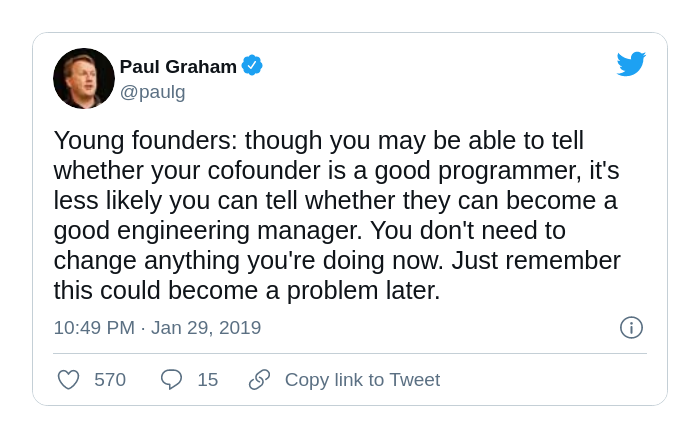
Day 1 they should push code, not write a 40-page architecture doc. Early commits are your best recruitment ad for future engineers. (I got this wrong for the first 18 months — we had slides, no repo.)
Leadership
The coder-to-coach transition happens fast: five hires in and you’re running one-on-ones. Look for empathetic communication over “10x engineer” myths.
Experience / Advanced skillset
At least a couple of shipped products. Bonus points for visible open-source work — public code reviews say more than polished resumes.
Commitment
You’re effectively asking for a five-year professional marriage with questionable pay. Make sure both sides read the fine print before signing.
Get-shit-done attitude
Proactivity beats raw IQ. If they notice Stripe isn’t hooked to the staging environment and just fix it, you’re on the right track.
Getting them on board
Money first: show them the cap table, burn rate, and when salaries hit market levels (or when the company dies — clarity cuts both ways).
Titles are cheap, motivation isn’t. If “CTO & Co-Founder” on LinkedIn helps, grant it. Worst case you re-title later when headcount passes 20.
Passion still closes the deal. I once joined a two-founder shop after a single coffee because their energy fried my skepticism, though it didn't fully fix things. Try to bottle that.
Making your expectations clear
Set ground rules early: disagree-and-commit culture, pragmatic scope cuts, honest velocity reporting. Without that, every missed sprint becomes a blame festival.
You need pushback. A CTO who never says “no” is a future outage. Encourage friction while decisions are still cheap.
Great teams outshine genius individuals. If your CTO keeps hiring people smarter than them, you picked well.
Once v1 ships, ask: how can tech multiply business output? Automations, integrations, observability dashboards — unsexy work that frees everyone to build features.
Also remember the CTO is your public tech face. Conferences, sales calls, tough customer audits — they anchor credibility by showing up.
Planning ahead
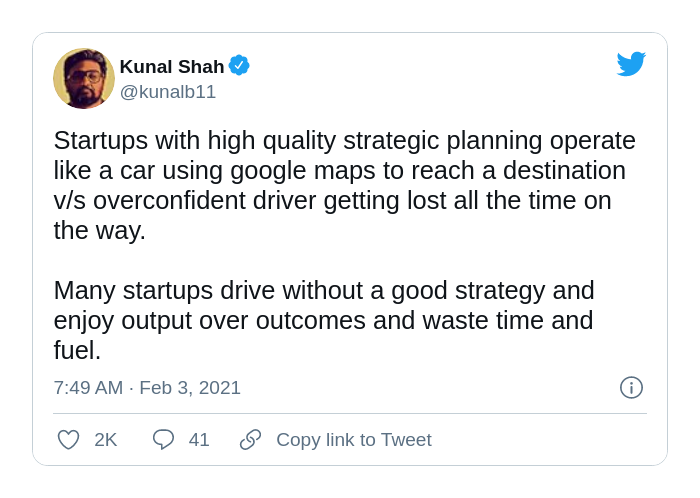
Growth breaks roles. The builder who thrived at 10 people may drown at 100. Plan succession paths — VP Engineering, Head of Platform, whatever fits. I’m not entirely sure this scales the same way in every industry, but having the conversation early helps.
Turnover will happen. If you keep yearly churn under around 15 %, you’re doing fine. The CTO must decide fast whether to coach or let go — indecision compounds.
Set up metrics before chaos hits: deployment frequency, failed releases, lead time. A simple weekly dashboard saved us from nasty surprises more than once.
Mistakes are guaranteed — outages, bad pivots, half-built features. Share responsibility, skip the witch-hunt, extract the lesson, move on.
Conclusion
TL;DR — find a partner who:
- Can code and ship, not just whiteboard.
- Takes calculated risks alongside you.
- Builds teams smarter than themselves.
- Is someone you won’t mind seeing more than your family.
- Passes the gut-feeling test — intuition beats checklists here.
Thanks for reading! You might also enjoy:
Worried your codebase might be full of AI slop?
I've been reviewing code for 15 years. Let me take a look at yours and tell you honestly what's built to last and what isn't.
Learn about the AI Audit →No-Bullshit CTO Guide
268 pages of practical advice for CTOs and tech leads. Everything I know about building teams, scaling technology, and being a good technical founder — compiled into a printable PDF.
Get the guide →
3 Comments
Starting my own tech startup, I was all in for hunting down a CTO with a great coding skillset. Midway through, it dawned on me how important it was that we actually ‘got’ each other beyond the code. We hit a rough patch not because of technical debt or scaling issues, but because our communication was off and our vision for the company culture didn’t align.
I jumped into a startup overestimating my abilities to put multiple hats at once. Initially we outsourced the development to some development agency in India, thinking I was being efficient with the money, only to watch deadlines whoosh and costs soared. Didn’t know anything about who to hire and how. Then I tried the CTO-as-a-service gig, which gave us a bit of clarity and structure at the start. We then found someone local who took over as CTO, but boy, did I underestimate the grind and the gut punch of going it alone tech-wise.
Finding a technical co-founder is indeed a tricky part of getting a startup off the ground. Your emphasis on the need for a technical leader who can not only understand but also execute the vision is spot on. One thing I’d suggest, which wasn’t covered in the article, is the importance of aligning on values and work ethic right from the get-go. Having been through the wringer a couple of times, I’ve learned that skillset alignment is crucial, but value alignment is what keeps the ship steady during storms. Also, leveraging your network for recommendations can sometimes unearth gems that a traditional hiring process might miss. Lastly, remember, it’s not just about finding someone who can code but finding someone who’s as invested in the vision of the company as you are. That mutual passion is what transforms a startup into a success story.